The Rise of AI Agents: How Artificial Intelligence Is Changing the Way We Work
Artificial intelligence is entering a new era. Instead of simply answering questions, AI systems are increasingly capable of carrying out tasks, using digital tools, and helping people complete complex projects. This new technology, known as AI agents, could transform the future of work, education, programming, and digital content creation.
What Are AI Agents?
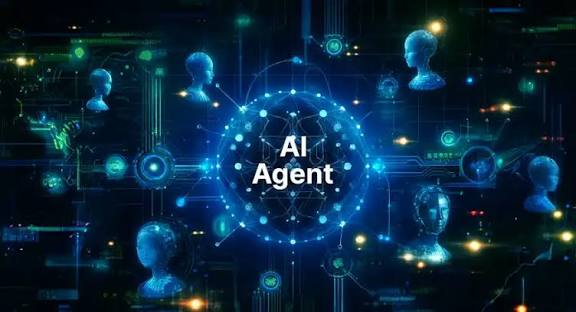
AI agents are artificial intelligence systems designed to work toward a specific goal by performing a series of tasks. Unlike traditional chatbots that mainly respond to prompts, AI agents can plan steps, use tools, interact with websites, analyze information, and adjust their approach when problems occur.
For example, a traditional chatbot might explain how to create a website. An AI agent could potentially help write the code, organize the project files, test the website, and identify errors along the way.
Although these systems can automate many tasks, they do not always work correctly and may still require human supervision.
How AI Agents Are Changing Technology
1. Transforming Software Development
One of the most important applications of AI agents is software development. AI-powered coding assistants can help programmers write code, find bugs, test applications, and improve existing projects.
Some systems can also divide large programming tasks into smaller steps and coordinate multiple agents to complete different parts of a project.
This could make software development more accessible to beginners while allowing experienced developers to spend more time solving complex problems.
2. Making Digital Content Creation Easier
AI agents could also change how digital content is produced. Content creators may use them to research topics, organize scripts, prepare production plans, manage files, and assist with repetitive editing tasks.
For animators, these tools could help organize storyboards, develop scene plans, and manage production workflows. Human creativity remains important, particularly when developing original characters, compelling stories, and distinctive artistic styles.
3. Automating Everyday Tasks
AI agents are increasingly being developed to interact with websites and computer interfaces. Depending on their capabilities and permissions, they may help users organize schedules, collect information, fill out forms, or manage multistep tasks.
This could save time for students, businesses, and individuals who regularly handle repetitive digital work.
However, actions involving payments, personal information, or important decisions require additional care and appropriate human approval.
The Challenges Facing AI Agents
Despite their potential, AI agents face several challenges.
Accuracy and reliability: An agent may misunderstand instructions, make incorrect decisions, or fail to complete a task properly.
Privacy and security: Agents that access websites, files, or accounts can create risks if they receive excessive permissions or mishandle sensitive information.
Cost and efficiency: Complex tasks may require substantial computing resources, and not every automated workflow produces enough value to justify its cost.
Human oversight: Greater autonomy does not eliminate the need for accountability. People must be able to understand, monitor, and correct an agent's actions.
These concerns are becoming increasingly important as AI systems gain the ability to interact with real digital environments. In October 2026, the UK's Information Commissioner's Office announced further work examining data protection risks associated with AI agents. The announcement highlights why responsible development must accompany technical progress.
What the Future Holds for AI Agents
The future of AI agents will likely involve more capable assistants that can coordinate tools, remember relevant context, and complete longer tasks with less step-by-step guidance.
Businesses may use them to support customer service and administrative work. Developers may use them to manage complex coding projects. Students and creators may benefit from assistance with research, planning, and creative workflows.
Nevertheless, the most useful systems will not necessarily be those that act with the greatest independence. Reliability, transparency, security, and the ability for humans to remain in control will also determine their success.
AI agents represent an important development in artificial intelligence. By moving beyond simple conversations toward practical task completion, they are opening new possibilities for productivity, programming, and digital creativity.
However, their growth also brings important questions about privacy, security, accuracy, and responsibility.
As this technology continues to develop, learning how to use AI agents effectively—and understanding their limitations—could become a valuable skill for students, professionals, programmers, and content creators alike.
The future of AI is not just about machines that can answer questions. It is increasingly about systems that can help people turn ideas into completed work.